
In recent years, housing affordability in Baku has become one of the most discussed socio-economic issues in the country. Not only has buying property become more expensive, but finding rental housing has also become increasingly difficult. Rental prices in the capital continue to rise while the available housing supply struggles to keep up with growing demand.
Real estate experts note that the rental housing market in Baku is under increasing pressure. One of the main reasons is the gradual decline of the old housing stock. As older buildings are demolished and replaced with new developments, the number of affordable rental apartments often decreases. This creates a tighter market where available units are rented quickly and prices continue to rise.
Another factor influencing rental prices is the changing behavior of investors. In the past, many investors preferred to invest in commercial properties. However, in recent years the trend has shifted. Wealthier individuals increasingly buy residential apartments specifically to rent them out, seeking stable and predictable income. While this strategy provides reliable returns for property owners, it also contributes to upward pressure on rental prices in the market.
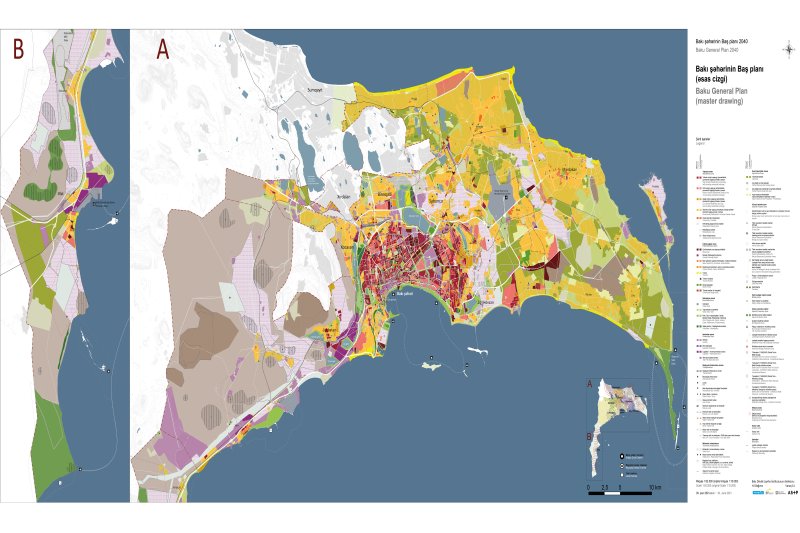
Urban development projects also play a role in shaping the rental market. Large-scale redevelopment and construction programs in Baku often create new demand from buyers and tenants entering the market, which increases competition for available housing. As a result, rental prices tend to rise as demand expands faster than supply.
Migration from other regions of Azerbaijan to Baku is another important factor supporting the rental market. Many people move to the capital in search of education and employment opportunities, increasing demand for rental apartments in the city. This steady inflow of residents helps maintain strong occupancy rates for rental properties.
Students represent a particularly large segment of the rental market. The limited number of student dormitories means that many students rent private apartments instead. Experts suggest that building more student housing and modern campus facilities could help ease pressure on the rental market, but such projects require long-term planning and investment.
For foreign property investors, these market dynamics create significant opportunities. Rising demand and limited supply mean that rental properties in Baku can generate consistent rental income, particularly in central areas close to universities, business districts, and transportation hubs.
Apartments located in districts such as Sabayil, Nasimi, Yasamal, and Khatai often attract strong rental demand due to their central location and access to infrastructure. Properties near metro stations, universities, and business centers are especially attractive for long-term tenants.
Although the rental market faces structural challenges, these same challenges increase the income potential for property owners. Investors who purchase residential apartments in Baku can benefit from a growing tenant base and gradually rising rental prices.
Overall, the current conditions of the Baku housing market suggest that rental real estate can provide stable and attractive returns for investors, including foreign buyers interested in Azerbaijan’s developing property market.